- pantouwater
- 0 Comments
- 449 Views
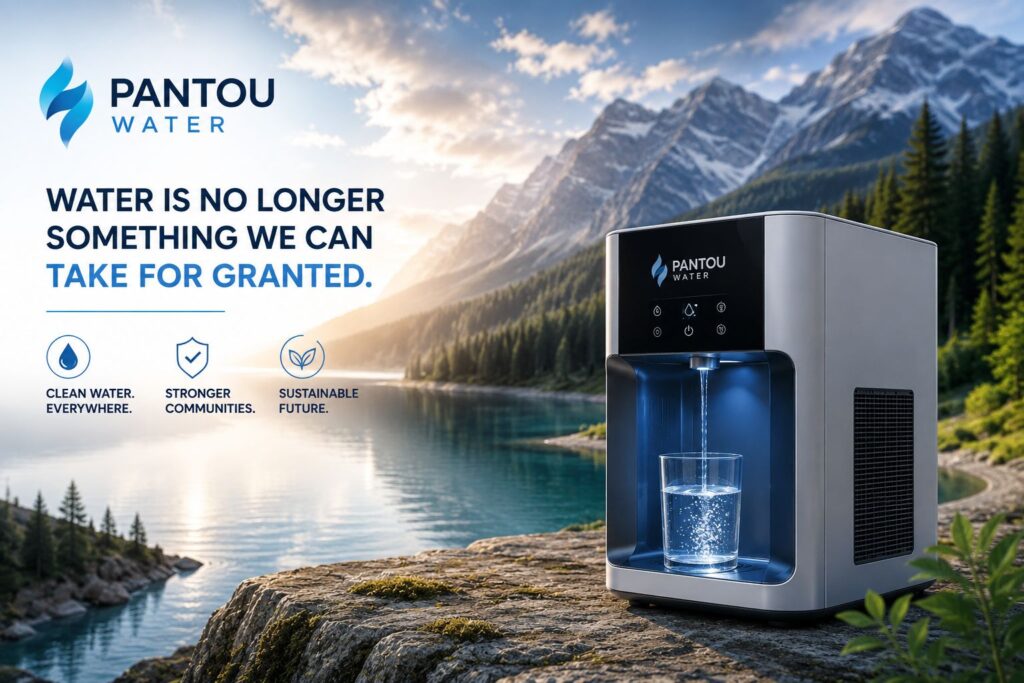
Recent droughts, changing weather patterns, and growing pressure on water systems are raising an important question: Is Canada’s water security as strong as we think?
For many people, Canada is synonymous with abundant freshwater. With thousands of lakes, vast rivers, and some of the world’s largest freshwater reserves, water scarcity often feels like a problem that happens elsewhere.
But recent events across British Columbia and other regions of Canada tell a different story.
Drought conditions have become more frequent. Snowpack levels are changing. Water restrictions are appearing earlier in the year. Infrastructure is facing increasing pressure. And in some communities, access to reliable drinking water remains an ongoing challenge.
The reality is simple:
Water security can no longer be taken for granted.
A Changing Water Landscape
Water systems depend on predictable environmental conditions.
For decades, communities, industries, and municipalities have relied on seasonal snowmelt, rainfall patterns, and established infrastructure to provide safe drinking water.
Today, those assumptions are being tested.
Many regions are experiencing:
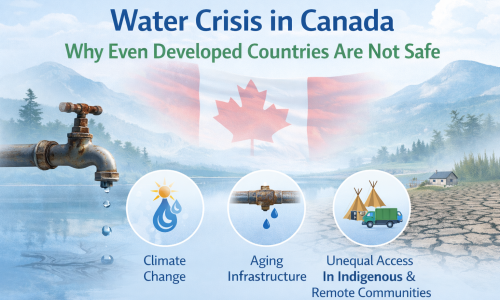
- Longer and more severe drought periods
- Reduced snow accumulation in winter
- Earlier spring runoff
- Increased demand during hot summer months
- Greater pressure on aging water infrastructure
These changes affect not only water availability but also the long-term reliability of existing water systems.
Why Water Security Matters
Water security is more than simply having access to water.
It means having access to a dependable, safe, and sustainable water supply regardless of environmental conditions or infrastructure disruptions.
When water systems become vulnerable, the impacts can be significant:
Households
Families may face water restrictions, supply interruptions, or increased costs.
Communities
Remote and underserved regions may experience greater challenges accessing reliable drinking water.
Businesses
Operations that depend on water can face increased risks and operational uncertainty.
Emergency Services
Natural disasters, wildfires, and infrastructure failures can quickly create water supply challenges.
Building resilience requires planning for a future where water resources may become less predictable.
The Limits of Traditional Water Systems
Conventional water infrastructure remains essential, but centralized systems are not immune to disruption.
Challenges include:
- Aging infrastructure requiring costly upgrades
- Growing populations increasing demand
- Rising operational costs
- Climate-related environmental pressures
- Dependence on vulnerable supply chains
As conditions become more complex, many experts believe that future water resilience will require both centralized and decentralized solutions working together.
Exploring New Approaches to Water Generation
Innovative technologies are emerging to help diversify water sources and improve resilience.
One of the most promising developments is Atmospheric Water Generation (AWG).
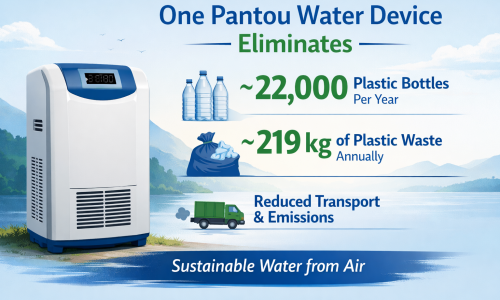
Atmospheric water generators capture moisture naturally present in the air and transform it into clean drinking water through advanced purification processes.
Unlike traditional water sources, AWGs can produce water directly at the point of use, reducing dependence on transportation, bottled water, and vulnerable infrastructure networks.
Potential applications include:
- Homes and residential properties
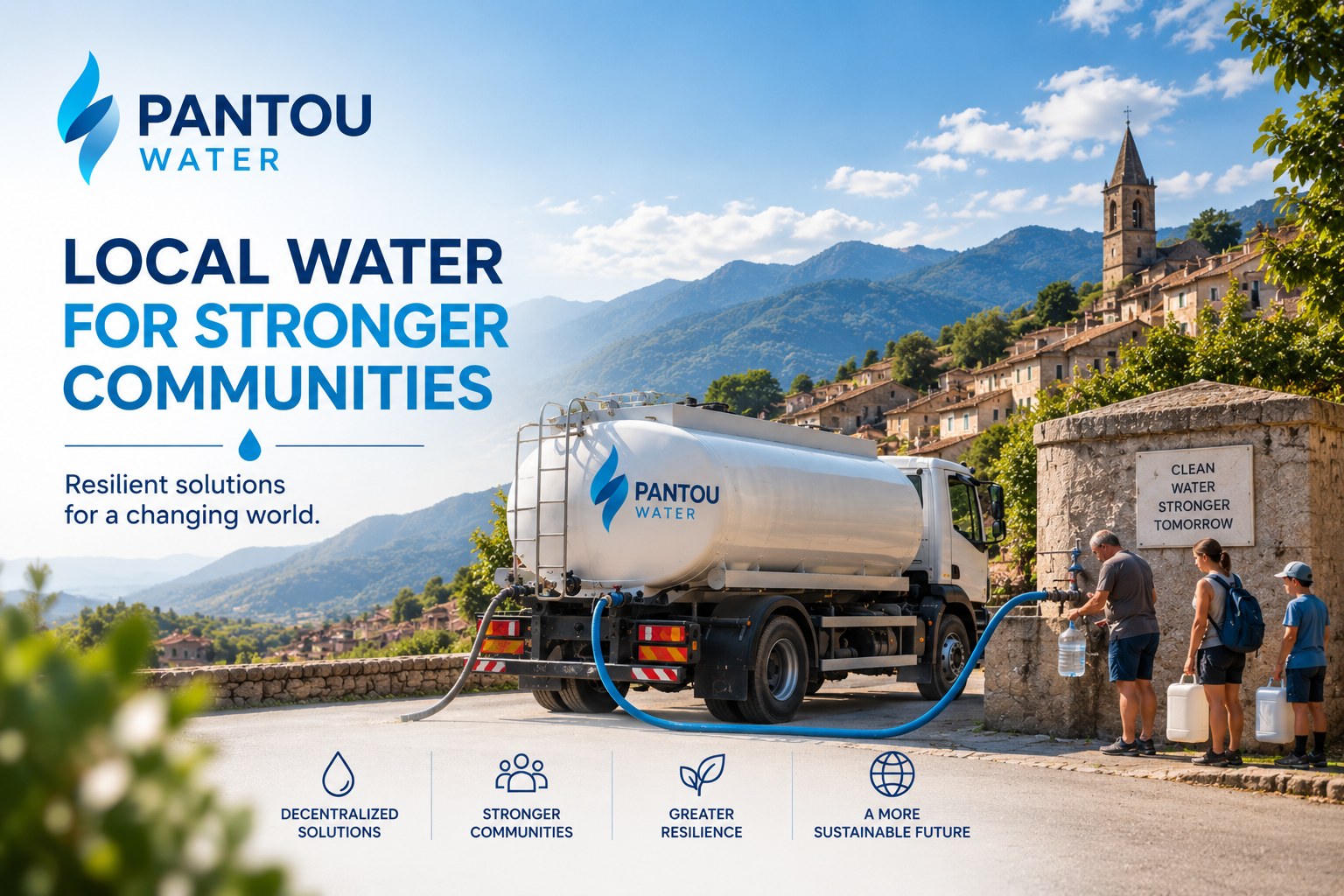
- Remote communities
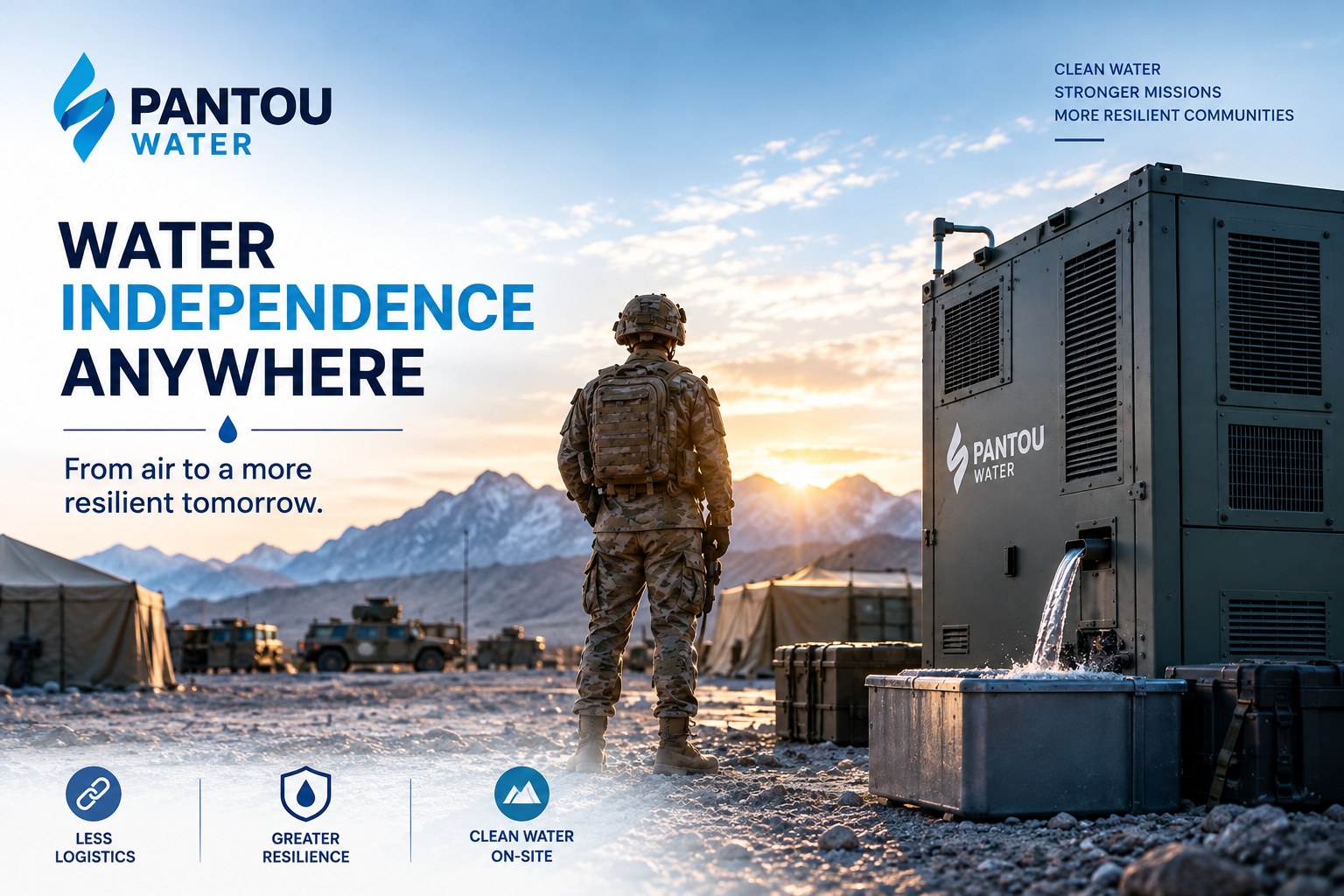
- Emergency response operations
- Industrial sites
- Recreational and off-grid locations
As technology advances, atmospheric water generation is becoming an increasingly important component of future water security strategies.
Building Resilience for the Future
Canada remains one of the most water-rich countries in the world.
However, abundance does not automatically guarantee resilience.
Changing environmental conditions, population growth, and infrastructure challenges highlight the importance of exploring new ways to strengthen water security.
The goal is not to replace existing water systems.
The goal is to create additional layers of protection that help communities, businesses, and households adapt to an increasingly uncertain future.
Because when it comes to something as essential as clean drinking water, resilience matters.
The Future of Water Is About Choice
The strongest water systems are not those that depend on a single source.
They are the systems that combine multiple reliable solutions to ensure continuous access to safe drinking water.
As climate conditions evolve and water challenges become more visible, innovation will play an increasingly important role in shaping how communities secure their water supplies.
Water innovation is no longer optional.
It is part of building a more resilient future.
About Pantou Water
Pantou Water is developing advanced atmospheric water generation technology designed to produce clean drinking water directly from air, with a focus on efficiency, sustainability, and performance in challenging environments.
Clean Water. Independent. Sustainable. Secure.