- pantouwater
- 0 Comments
- 224 Views
Access to clean drinking water is more than a basic necessity—it is a fundamental human right.
Yet across Canada, many Indigenous communities continue to face long-standing challenges in accessing reliable, safe, and sustainable drinking water. While significant progress has been made over recent years, water security remains a priority that requires continued investment, innovation, and collaboration.
Recent policy discussions surrounding Bill C-37, the proposed First Nations Drinking Water Legislation, have renewed national attention on the importance of strengthening water governance and ensuring Indigenous communities have the tools and resources needed to build resilient water systems.
While legislation represents an important step, long-term water security depends on practical solutions that work where they are needed most.
Water Security Is More Than Access to Water
Water security goes beyond simply having a source of drinking water.
It means having water that is:
- Safe to drink
- Reliable throughout the year
- Affordable to maintain
- Resilient against environmental change
- Managed in ways that support local communities
For many remote regions, maintaining these standards presents unique challenges.
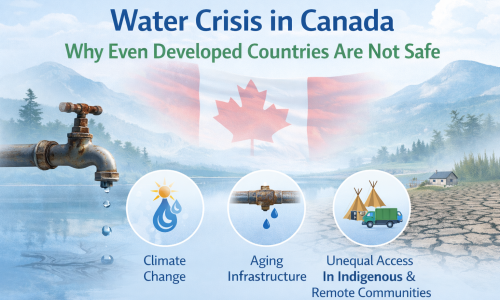
Geographic isolation, aging infrastructure, transportation costs, and changing climate conditions all increase the complexity of providing consistent access to clean water.
Building stronger water systems requires both policy leadership and innovative technologies.
Why Local Water Solutions Matter
Traditional centralized water infrastructure remains essential, but it may not always be the most practical solution for every community.
Local water solutions offer several important advantages.
Greater Reliability
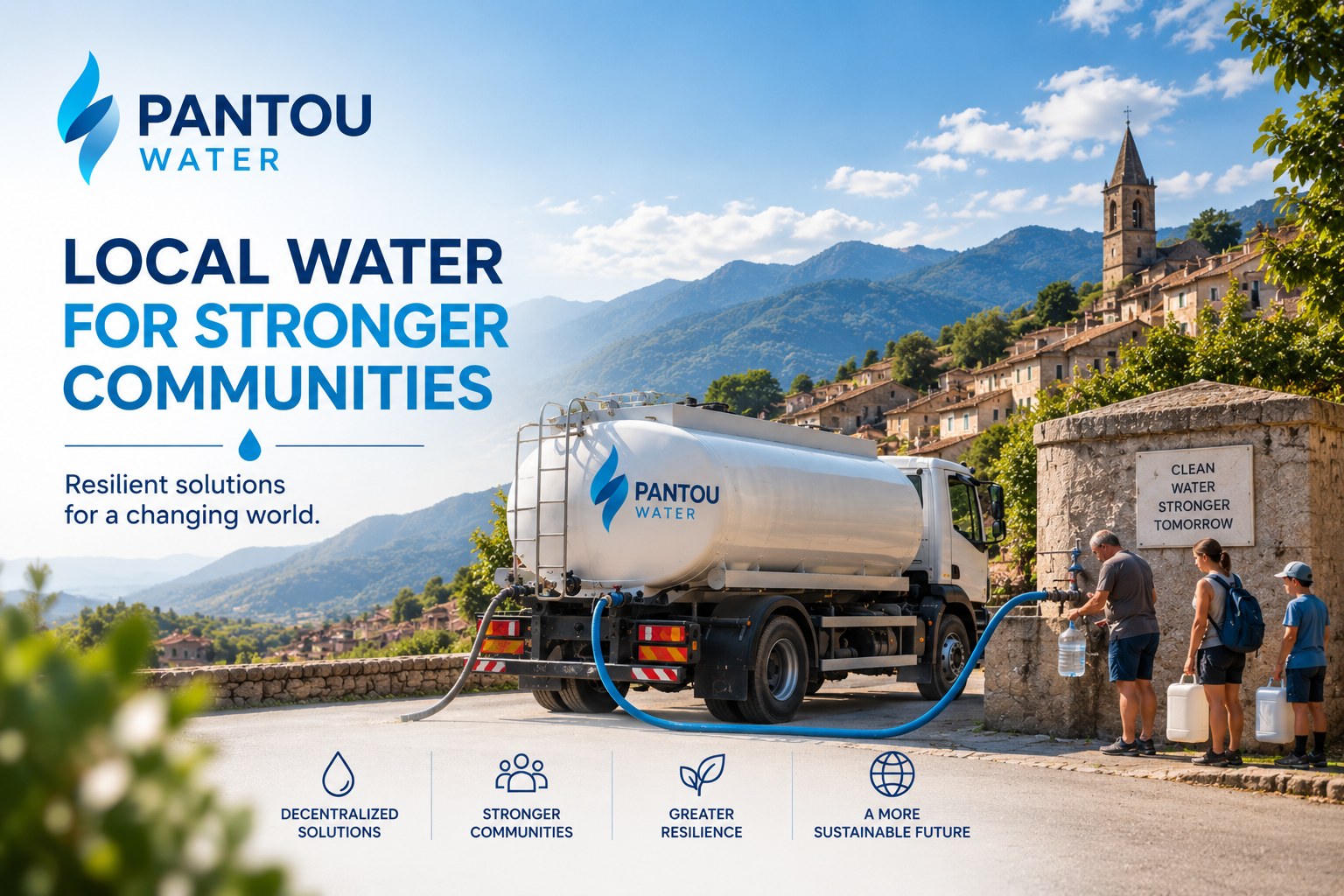
Producing or treating water close to where it is needed reduces dependence on long transportation routes and external supply chains.
Community Resilience
Decentralized systems provide additional layers of protection during natural disasters, infrastructure failures, or extreme weather events.
Environmental Sustainability
Local water production can reduce fuel consumption, transportation emissions, and plastic waste associated with bottled water deliveries.
Local Empowerment
Water systems designed around community needs help strengthen local capacity and support long-term self-determination.
Innovation Can Support Stronger Water Systems
Canada is home to a growing ecosystem of researchers, engineers, Indigenous leaders, utilities, and clean technology companies working together to improve water security.
Innovations now being explored include:
- Smart water monitoring systems
- Advanced filtration technologies
- Renewable-energy-powered treatment systems
- Decentralized purification units
- Atmospheric Water Generation (AWG)
Rather than replacing existing infrastructure, these technologies can complement traditional systems by providing additional resilience and flexibility.
A diversified water strategy is often a stronger strategy.
The Growing Role of Atmospheric Water Generation
One emerging technology attracting attention is Atmospheric Water Generation (AWG).
Atmospheric water generators extract moisture naturally present in the air and convert it into purified drinking water through advanced treatment processes.
Because water is produced directly at the point of use, AWG systems have the potential to support locations where conventional water infrastructure is difficult, expensive, or vulnerable to disruption.
Potential applications include:
- Remote communities
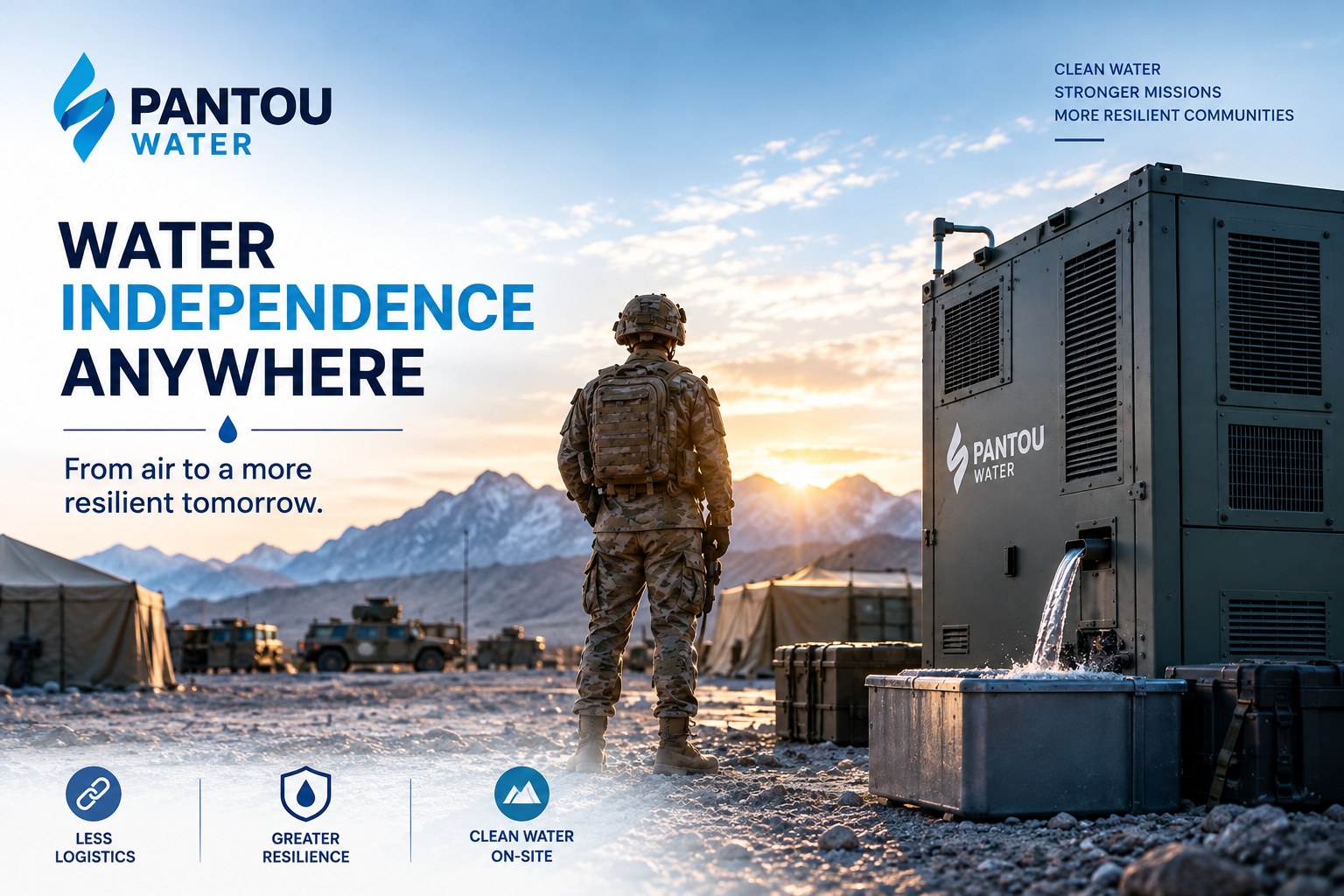
- Emergency response operations
- Health clinics
- Community centers
- Schools
- Off-grid facilities
As adsorption materials and energy efficiency continue to improve, atmospheric water generation is becoming an increasingly promising complement to Canada’s future water infrastructure.
Collaboration Is the Key to Long-Term Success
No single organization can solve Canada’s water challenges alone.
Long-term success depends on collaboration between:
- Indigenous communities
- Federal and provincial governments
- Engineers and utilities
- Researchers
- Clean technology innovators
- Community leaders
By combining policy, infrastructure investment, and technological innovation, Canada can continue building water systems that are more resilient, more sustainable, and better prepared for future challenges.
Looking Ahead
Water is not only a natural resource.
It supports public health, economic opportunity, education, environmental stewardship, and community well-being.
As conversations around Indigenous water security continue to evolve, there is an opportunity to rethink how communities access, manage, and protect one of our most valuable resources.
Innovation alone is not enough.
Legislation alone is not enough.
Together, they can create the foundation for stronger, more sustainable water systems that serve current and future generations.
Every community deserves reliable access to clean drinking water—and every step toward greater water security is a step toward a healthier, more resilient Canada.