- pantouwater
- 0 Comments
- 243 Views
Artificial intelligence is transforming nearly every industry.
From healthcare and scientific research to finance, manufacturing, transportation, and education, AI is becoming one of the defining technologies of the 21st century.
Behind every AI model, however, lies an often-overlooked reality:
AI infrastructure requires enormous amounts of water.
As data centers continue to expand around the world, water is becoming an increasingly important resource—not only for communities but also for the digital economy.
This raises an important question:
Can we continue consuming more water, or do we need to start creating new sources of it?
The Hidden Water Cost of Artificial Intelligence
Training large AI models requires powerful computing infrastructure operating around the clock.
These facilities generate significant amounts of heat, making cooling systems essential for reliable operation.
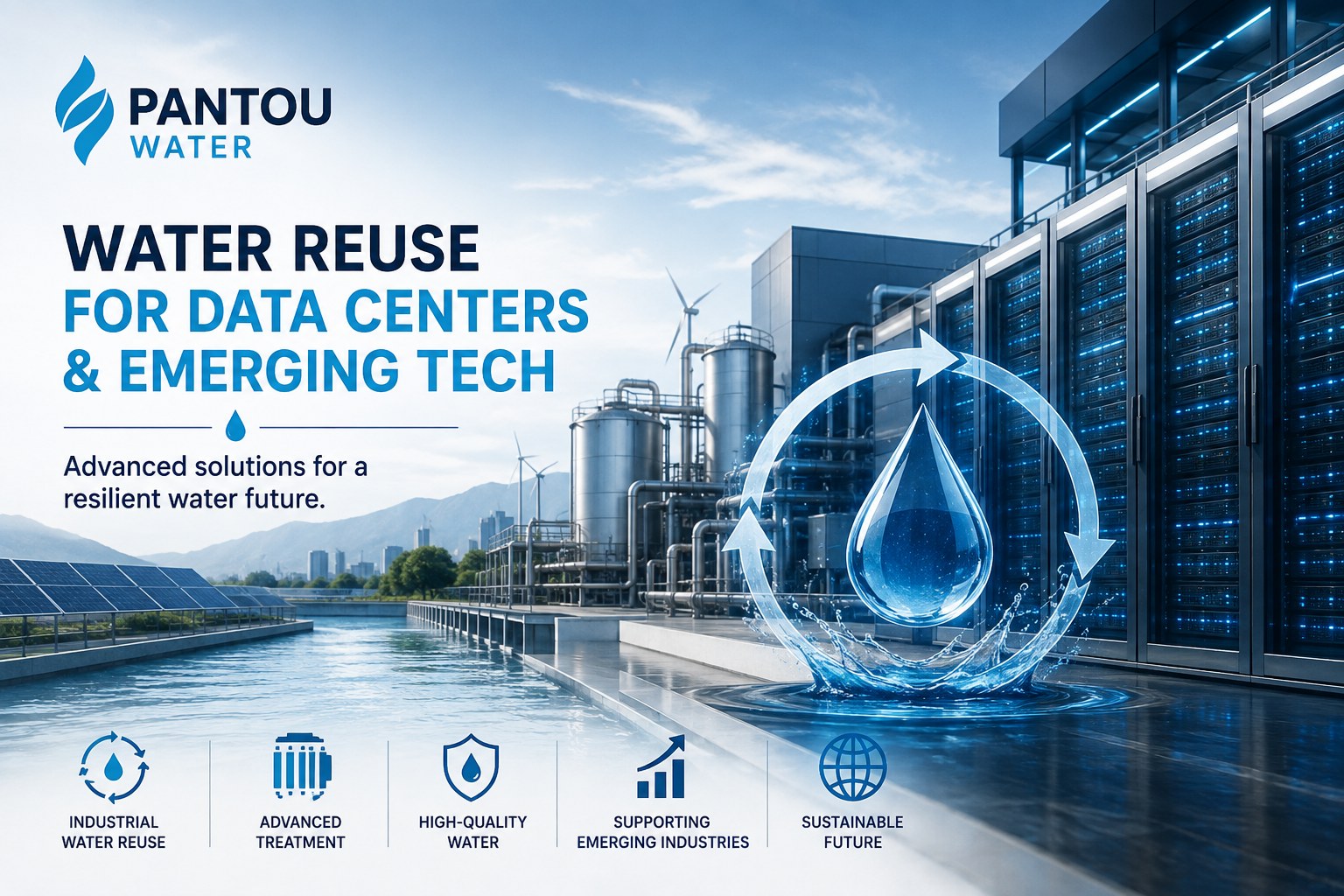
Many data centers rely on water-based cooling technologies because water remains one of the most effective ways to remove heat from high-performance computing equipment.
As AI adoption accelerates, so does the demand for:
- Larger data centers
- More computing power
- Greater energy consumption
- Increased cooling capacity
- Higher water usage
The relationship between AI and water is becoming impossible to ignore.
Why Water Demand Is Growing
Artificial intelligence is only one factor increasing global water demand.
Other contributing forces include:
Population Growth
The global population continues to grow, increasing demand for drinking water, food production, sanitation, and industry.
Climate Change
Longer droughts, unpredictable rainfall, and rising temperatures are placing additional pressure on freshwater resources.
Urban Expansion
Rapid urbanization requires larger and more complex water infrastructure.
Industrial Development
Manufacturing, semiconductor production, pharmaceuticals, agriculture, and digital infrastructure all depend heavily on reliable water supplies.
Together, these trends are reshaping how societies think about water security.
Water Infrastructure Faces New Challenges
Around the world, many existing water systems were designed decades ago.
Today they must support:
- Larger populations
- More extreme weather events
- Growing industrial demand
- Aging infrastructure
- Higher operational costs
Even countries traditionally considered water-rich are beginning to experience seasonal shortages, restrictions, and increasing stress on local water systems.
Future resilience will require expanding—not simply managing—our available water resources.
Can We Produce Water Instead of Only Consuming It?
For generations, humanity has depended on natural water sources such as:
- Rivers
- Lakes
- Reservoirs
- Groundwater
- Snowpack
These resources remain essential, but they are increasingly vulnerable to climate variability and rising demand.
Innovative technologies are introducing a new possibility:
Producing clean drinking water directly where it is needed.
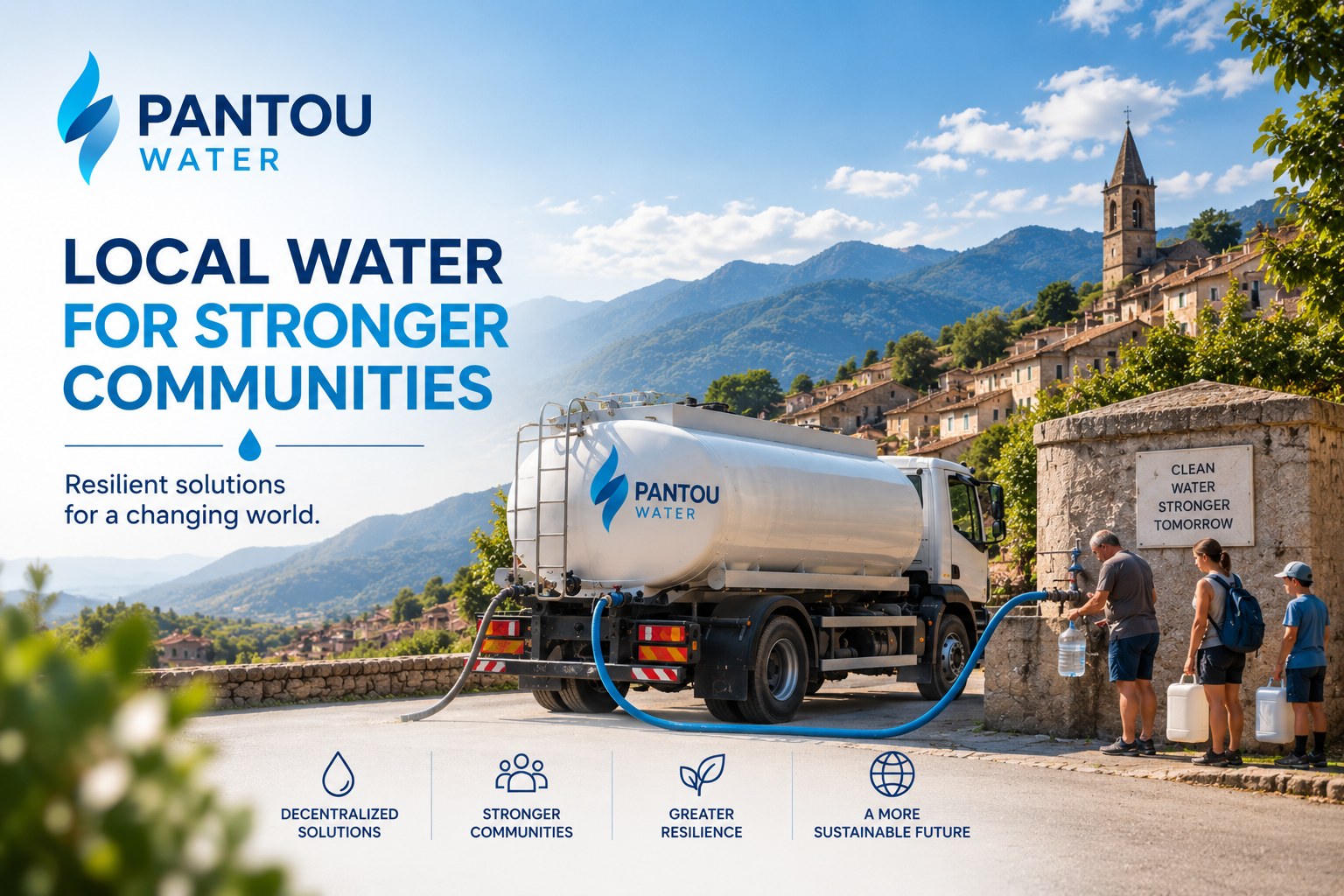
Rather than transporting water over long distances, decentralized systems can generate water locally, improving resilience while reducing dependence on traditional infrastructure.
Atmospheric Water Generation: Creating Water From Air
One of the most promising technologies in this field is Atmospheric Water Generation (AWG).
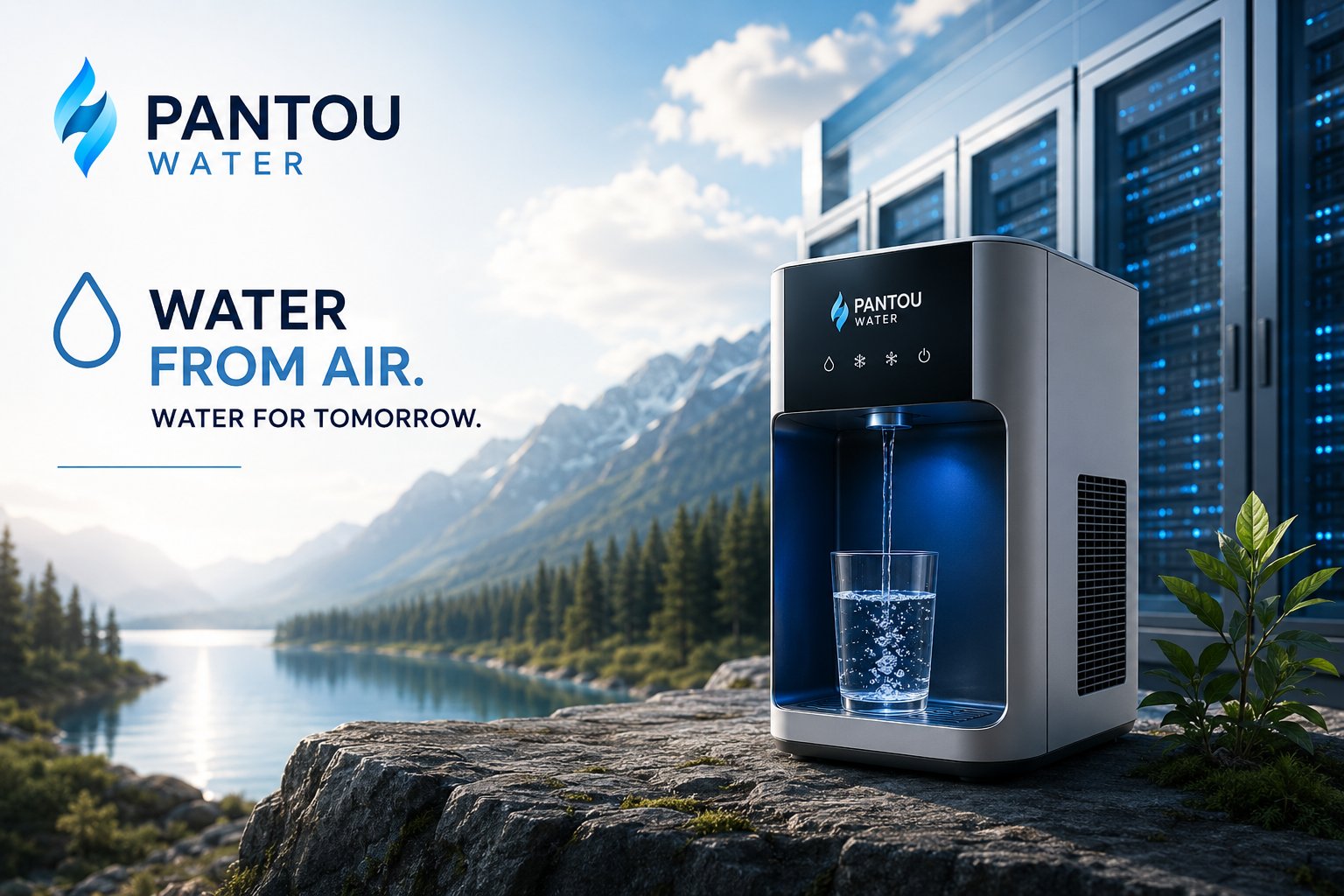
AWG systems capture humidity naturally present in the atmosphere and convert it into purified drinking water through advanced condensation or adsorption processes.
Unlike conventional water supplies, atmospheric water generators:
- Produce water directly at the point of use
- Reduce dependence on transported water
- Help decrease plastic bottle consumption
- Complement existing water infrastructure
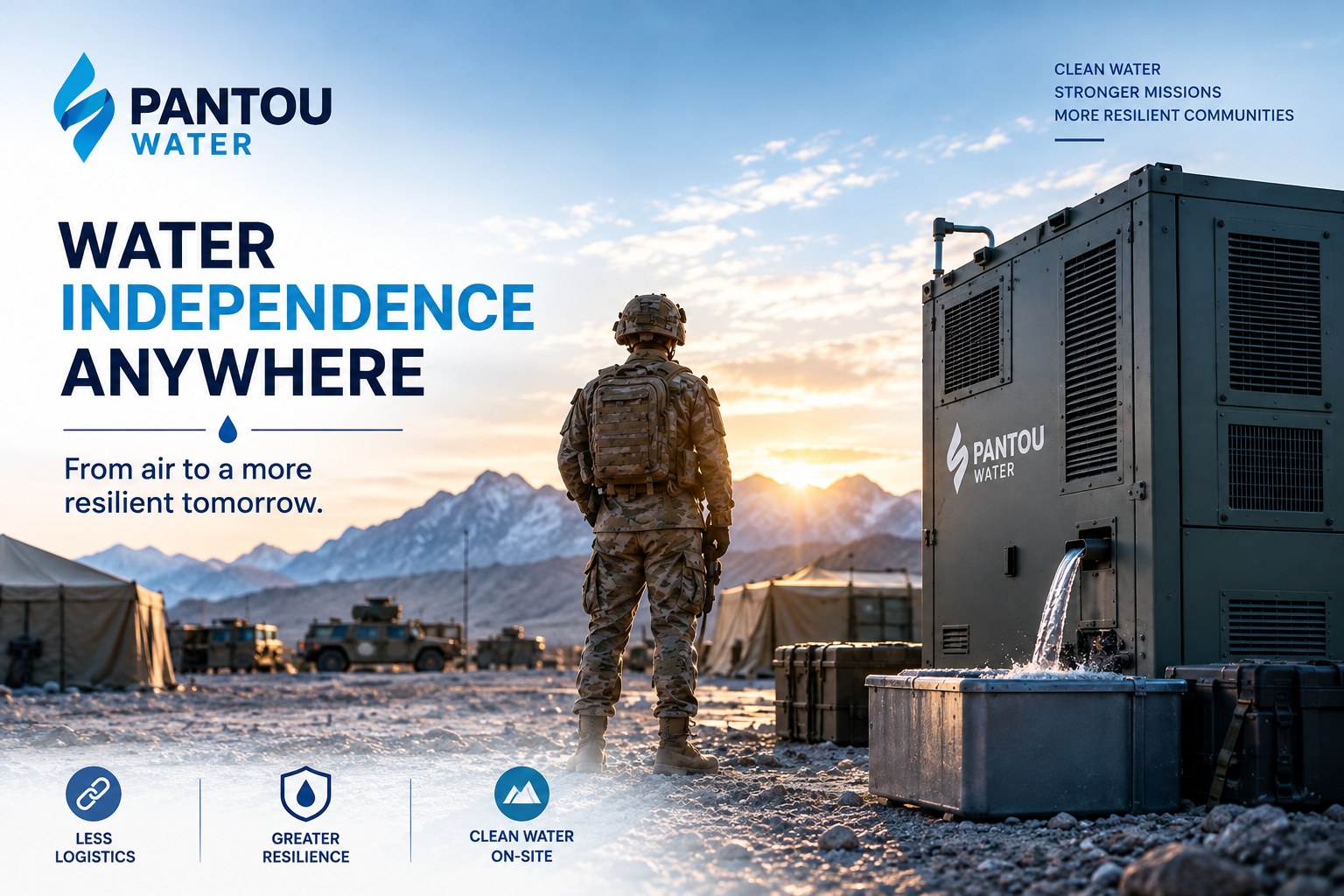
- Can support remote and off-grid applications
As adsorption materials, energy efficiency, and system design continue to improve, atmospheric water generation is becoming an increasingly practical component of future water resilience.
AI and Water Innovation Can Grow Together
Artificial intelligence should not be viewed only as a source of increased water demand.
It can also become part of the solution.
AI technologies are already helping improve:
- Water quality monitoring
- Leak detection
- Predictive maintenance
- Smart distribution networks
- Climate forecasting
- Water resource management
When combined with decentralized water production technologies such as atmospheric water generation, AI has the potential to support smarter, more efficient, and more resilient water systems.
Innovation works best when technologies complement one another.
A More Resilient Water Future
The future of water security will not depend on a single solution.
Instead, it will rely on a combination of:
- Modern infrastructure
- Renewable energy
- Smart monitoring systems
- Water recycling
- Advanced purification
- Atmospheric water generation
- Artificial intelligence
Together, these innovations can help communities adapt to increasing demand while protecting valuable freshwater resources.
Looking Ahead
Artificial intelligence will continue transforming industries around the world.
Climate change will continue placing pressure on freshwater supplies.
Population growth will continue increasing demand.
These trends make one thing clear:
The way we think about water must evolve.
Instead of relying exclusively on finite natural resources, future water strategies may increasingly include technologies capable of generating new, sustainable sources of clean drinking water.
The future of water may not depend only on rivers, reservoirs, and pipelines.
It may also come from the air around us.
About Pantou Water
Pantou Water is developing next-generation Atmospheric Water Generation (AWG) technology designed to produce clean drinking water directly from air. Our mission is to help homes, businesses, remote communities, emergency response teams, and industrial facilities strengthen water resilience through sustainable, decentralized water production.
Pantou Water — Water Made Possible.