- pantouwater
- 0 Comments
- 339 Views
When people think about water scarcity, countries in the Middle East or drought-prone regions of Africa often come to mind. Canada, with its vast lakes, rivers, and freshwater reserves, is rarely associated with water shortages.
However, beneath this perception lies a reality that many Canadians never see.
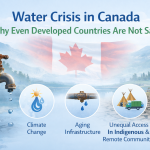
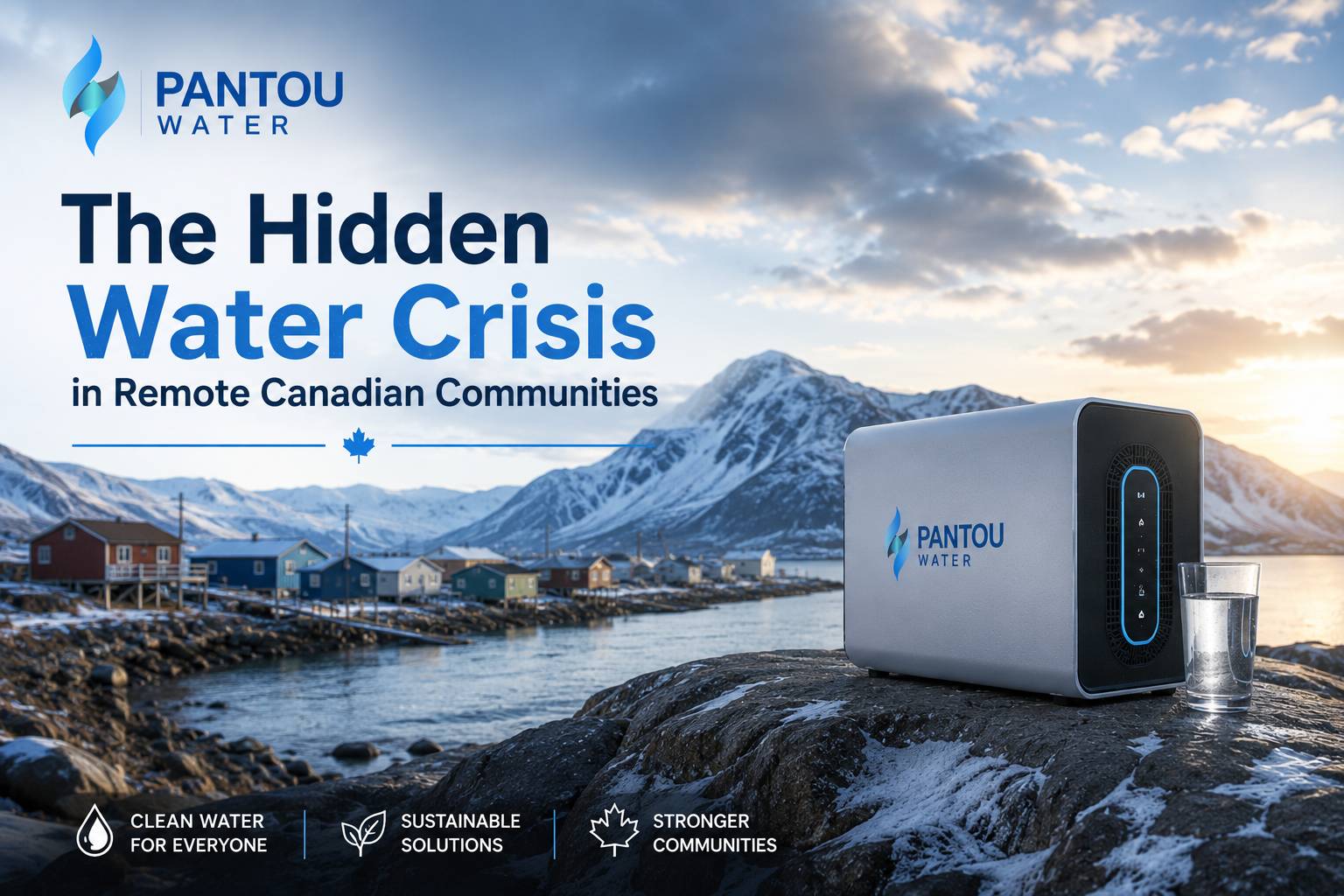
Across remote and northern regions of the country, thousands of people continue to face challenges accessing reliable, safe drinking water. Despite Canada’s reputation as one of the world’s most water-rich nations, many communities still struggle with aging infrastructure, high transportation costs, and long-term water advisories.
This hidden crisis raises an important question:
How can a country with 20% of the world’s freshwater resources still have communities without dependable access to clean water?
A Problem Hidden by Geography
Most Canadians live within a few hours of major cities and benefit from advanced municipal water systems. For residents in Vancouver, Toronto, Calgary, or Montreal, clean water is often as simple as turning on a tap.
Remote communities face a very different reality.
Many northern settlements and isolated communities are not connected to centralized water infrastructure. Instead, they rely on a combination of:
- Water trucking
- Small treatment facilities
- Bottled water shipments
- Boil-water advisories
- Seasonal water sources
In some cases, water must travel hundreds or even thousands of kilometers before reaching the people who need it.
The result is a system that is expensive, vulnerable, and difficult to maintain.
The Impact of Long-Term Water Advisories
A drinking water advisory is issued when water may be unsafe for consumption without additional treatment.
While advisories can occur anywhere, remote communities often experience them for significantly longer periods.
For families living under a boil-water advisory, everyday activities become more complicated:
- Drinking water must be boiled before use
- Food preparation requires additional precautions
- Healthcare facilities face operational challenges
- Schools and community centers experience disruptions
- Residents lose confidence in local water systems
Over time, these challenges affect quality of life, public health, and economic development.
Water insecurity is not simply an infrastructure issue. It influences education, health outcomes, business opportunities, and community resilience.
Why Traditional Solutions Are Difficult
Building water treatment infrastructure in remote regions presents unique challenges.
Geographic Isolation
Many communities are accessible only by seasonal roads, air transportation, or marine routes.
Transporting construction materials, equipment, and skilled labor can dramatically increase project costs.
Harsh Environmental Conditions
Northern climates introduce additional complexity:
- Extreme cold
- Seasonal freezing
- Limited construction windows
- High maintenance requirements
Infrastructure that works well in urban environments often requires significant adaptation to operate reliably in remote regions.
Population Size
Many communities have relatively small populations spread across large geographic areas.
Large centralized water systems may not be economically practical, making alternative solutions increasingly important.
Climate Change Is Making the Situation Worse
Climate change is introducing new pressures on water systems across Canada.
Many regions are experiencing:
- More frequent droughts
- Reduced snowpack
- Changing rainfall patterns
- Wildfires affecting watersheds
- Increased strain on local water infrastructure
Even British Columbia, traditionally known for abundant freshwater resources, has experienced severe drought conditions in recent years.
As climate patterns continue to shift, communities that already face water challenges may become increasingly vulnerable.
Water security is no longer only a remote community issue. It is becoming a national resilience challenge.
The Environmental Cost of Water Transportation
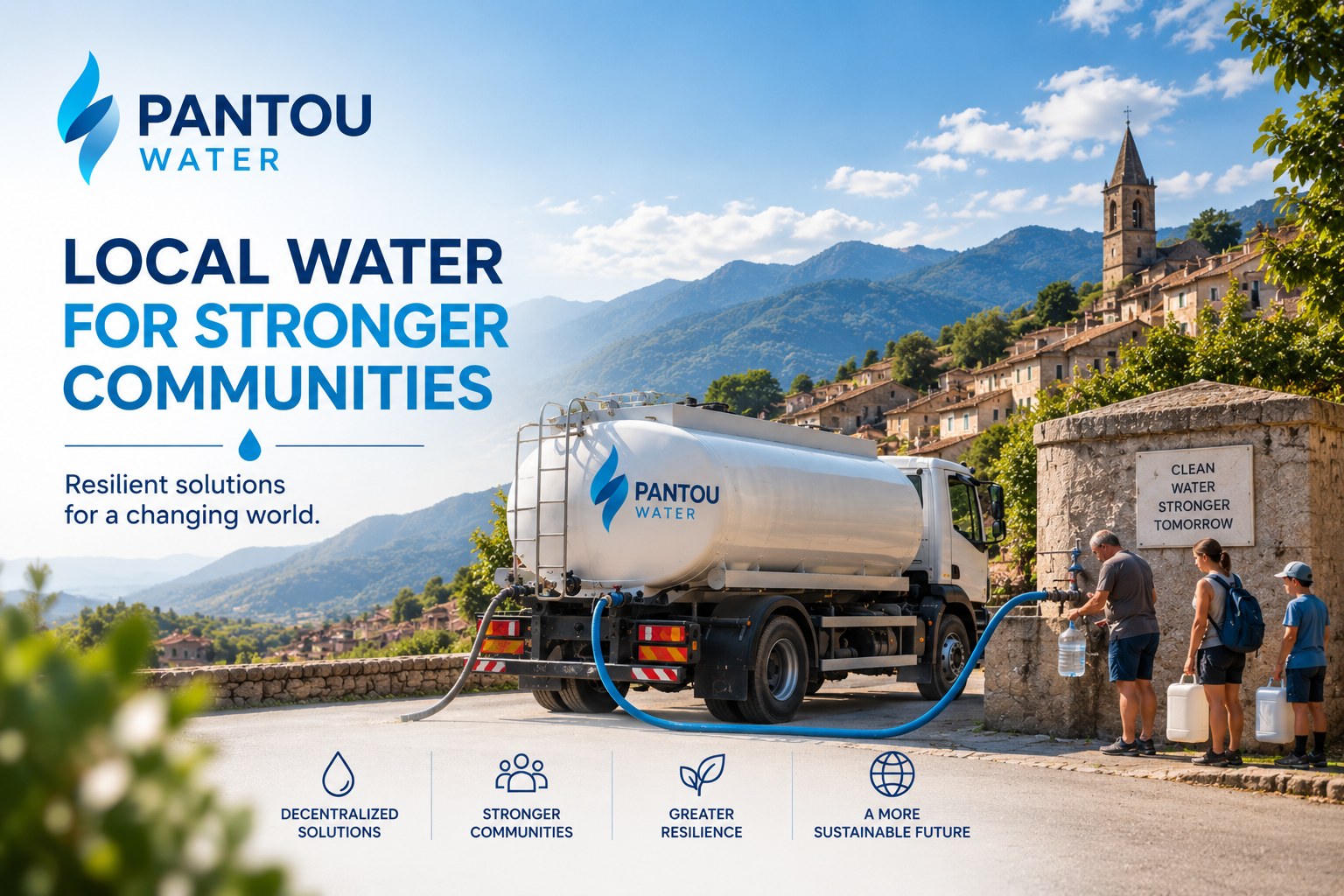
When local water sources are insufficient, communities often rely on transported water.
While necessary, this approach comes with significant drawbacks:
High Transportation Costs
Fuel, labor, equipment maintenance, and logistics create ongoing operational expenses.
Carbon Emissions
Long-distance transportation contributes to greenhouse gas emissions.
Supply Chain Vulnerability
Weather events, road closures, and transportation disruptions can interrupt access to essential water supplies.
Plastic Waste
Communities that depend on bottled water generate large volumes of plastic waste that must be managed or transported elsewhere.
As sustainability becomes a growing priority, communities are increasingly looking for alternatives that reduce dependence on constant water transportation.
The Need for Decentralized Water Solutions
Traditional infrastructure remains important, but many experts recognize that a single approach cannot solve every water challenge.
Decentralized systems are gaining attention because they can operate independently and closer to the point of use.
Examples include:
- Rainwater harvesting systems
- Solar-powered purification units
- Localized treatment technologies
- Atmospheric water generation systems
These technologies provide flexibility and can complement existing infrastructure rather than replace it.
For remote communities, resilience often comes from diversification.
The more ways a community can access safe drinking water, the less vulnerable it becomes to disruptions.
Can Water Be Generated Directly From the Air?
One of the most promising emerging technologies is Atmospheric Water Generation (AWG).
Atmospheric water generators extract humidity from the air and convert it into clean drinking water through a controlled purification process.
Unlike groundwater extraction or transported bottled water, AWGs create water directly at the location where it is needed.
Potential advantages include:
- Reduced dependence on water deliveries
- Lower plastic bottle consumption
- On-site water production
- Scalability for different applications
- Integration with renewable energy sources
Historically, many atmospheric water systems performed poorly in dry environments. However, advances in adsorption-based technologies are making it possible to harvest water even at significantly lower humidity levels.
This breakthrough opens new possibilities for communities previously considered unsuitable for atmospheric water generation.
A New Approach to Water Resilience
The future of water security will likely involve multiple technologies working together.
Remote communities need solutions that are:
- Reliable
- Sustainable
- Cost-effective
- Easy to maintain
- Adaptable to local conditions
No single technology will solve every challenge, but innovative approaches can help reduce dependence on vulnerable supply chains and aging infrastructure.
As governments, Indigenous leaders, researchers, and clean technology companies continue exploring new solutions, decentralized water generation technologies may play an increasingly important role in strengthening Canada’s water resilience.
Looking Ahead
Canada’s water crisis is often invisible because it affects communities far from major population centers.
Yet for many residents living in remote and northern regions, access to safe drinking water remains a daily concern.
Addressing this challenge requires more than infrastructure investment. It requires innovation, collaboration, and a willingness to explore new approaches to water security.
The good news is that new technologies are emerging faster than ever before.
From advanced filtration systems to next-generation atmospheric water generators, the future offers promising opportunities to create more resilient, sustainable, and accessible water systems for all Canadians.
Because in the 21st century, access to clean drinking water should never depend on a postal code.
About Pantou Water
Pantou Water is developing next-generation atmospheric water generation technology designed to produce clean drinking water efficiently, even in challenging environmental conditions. Our mission is to help individuals, communities, and organizations gain greater water independence through sustainable innovation.